|
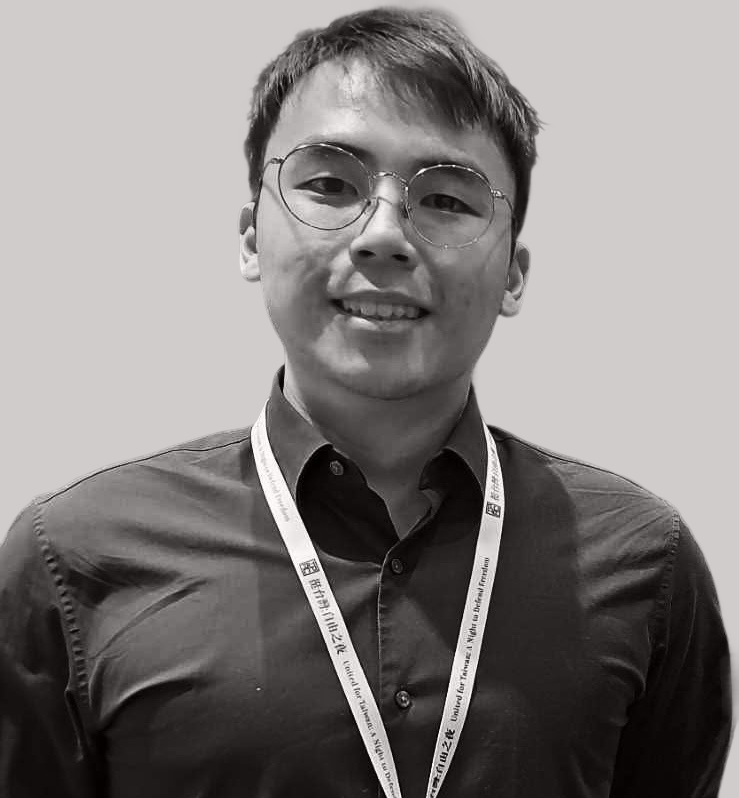
Aaron graduated high school in Taiwan with a 1.4 GPA — no physics, no chemistry, no serious math, and no English. He moved to the US at eighteen with none of those credentials and enrolled in community college. He taught himself English from YouTube. Physics and math from Khan Academy. Within two years he had straight A’s, a merit scholarship, and a transfer to USC.
Before any of that, there was the trumpet. Ten years of serious practice — the kind that produces four national championships and a lasting understanding that the gap between average and exceptional is almost never talent. It’s the willingness to put in more reps than everyone else and then go back and do it again.
At USC, Aaron joined USCRPL, the student rocketry program that had been trying and failing to get computational fluid dynamics right for eighteen years. He built their first successful aerothermal simulation from scratch. The data held. As an engineering lead on the Aftershock II mission, he helped send a student-built rocket to 470,000 feet at Mach 6 — the first and only student team to reach space.
He had offers from SpaceX and Tesla. He was admitted to Stanford. He showed up on the first day and left. He already knew what he wanted to build, and waiting felt like the riskier move.
Aaron founded Khorium with a single conviction: AI disrupted software engineering, and hardware is next. Khorium autonomously runs the full hardware design loop — CAD, meshing, simulation, validation, redesign — from a natural-language prompt. No human in the loop. Design, simulate, evolve, repeat. He leads a team of engineers from TSMC, Amazon, SpaceX, Tesla, and Raytheon building the first platform that can take a CAD file and return validated simulation results without anyone touching it.